

Why Winter Bedrooms Can Trigger Allergies — and How to Fix Yours
Winter brings sealed windows, blasting heaters, and a lot more time spent indoors. For people with allergies, that combination often means more sneezing, stuffiness, and restless nights than any other season. The culprit usually isn’t pollen at all — it’s the air you’re breathing while you sleep.
Why Closed-Up Winter Air Is So Irritating
When temperatures drop, most of us shut windows and crank the heat, trapping dust, pet dander, and mold spores inside rather than letting fresh air cycle through. Forced-air heating systems also dry out the air and stir up particles sitting on vents, carpets, and bedding. The result is a bedroom that recirculates the very things your immune system reacts to, night after night, without much relief.
Getting Temperature and Humidity Right
 A bedroom that’s too warm and too dry can thicken mucus and irritate nasal passages, making congestion worse even if nothing is technically blooming outside. Most sleep experts suggest keeping the room cool, somewhere in the mid-sixties Fahrenheit, and adding moisture back into the air with a humidifier set between 30 and 50 percent. If you want a clear walkthrough of the ideal setup, a detailed winter bedroom setup guide can help you balance warmth, moisture, and airflow without overcorrecting into mustiness or dust buildup. Getting that balance right often does more for nighttime breathing than any pillow or spray.
A Few Easy Habits to Add
- Vacuum with a HEPA filter at least once a week, including under the bed
- Swap heavy curtains for washable blinds or lighter fabric that traps less dust
- Keep pets off the bed, even in cold weather when they want extra warmth
Light and Air Flow Still Matter in Winter
Shorter days mean less natural light, which can throw off your sleep rhythm and make you more sensitive to discomfort, including allergy symptoms. Cracking a window for a few minutes each day, even briefly, helps flush out stale indoor air. Pairing that with a few minutes of morning sunlight exposure can reset your internal clock and make nighttime congestion feel less disruptive.
Bedding and Dust Mites Don’t Take a Winter Break
Heavier blankets, flannel sheets, and extra layers feel cozy, but they also give dust mites more fabric to settle into. These microscopic pests thrive in warm, slightly humid conditions — exactly what a heated bedroom provides. Washing sheets weekly in hot water, using allergen-proof pillow and mattress covers, and avoiding down comforters if you’re sensitive can cut down on nighttime flare-ups considerably.
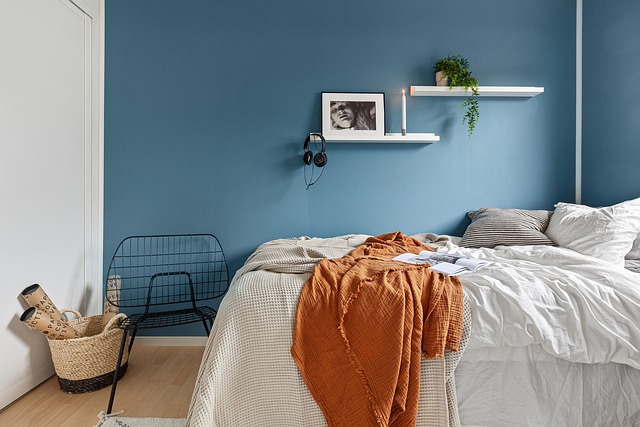
Winter allergies rarely come from one single cause, so small adjustments across temperature, bedding, and airflow tend to add up faster than any single fix. Try changing one habit this week — maybe washing your sheets sooner than usual or running a humidifier overnight — and see whether your mornings start to feel a little clearer.… Read more
Read More »