

Many people go to bed expecting rest, yet wake up feeling discomfort they can’t explain. Nighttime teeth grinding, also called bruxism, often happens without your awareness, slowly affecting your oral health and daily comfort. It may begin as a mild habit but can turn into a serious concern if ignored. Visiting trusted professionals like Aghbashian Dental Glendale can help you identify early symptoms and prevent long-term damage. The challenge is that most people don’t realize they grind their teeth until noticeable signs appear. By understanding these warning signals early, you can take action before the condition worsens and begins to impact your teeth, jaw, and overall well-being.
Persistent Jaw Pain or Tightness
One of the clearest signs of nighttime teeth grinding is waking up with jaw discomfort. You may feel stiffness, soreness, or even difficulty opening your mouth fully. This happens because your jaw muscles stay active for long periods while you sleep, placing strain on the joints. Over time, this can lead to more serious conditions like temporomandibular joint (TMJ) issues. If your jaw feels tired in the morning without any obvious reason, it may be linked to grinding. Ignoring this symptom can make everyday actions like chewing or speaking uncomfortable.
Frequent Morning Headaches

Morning headaches are another strong indicator of bruxism. These headaches often feel like a dull, constant pressure around the temples. They occur because the muscles around your jaw and head remain tense throughout the night. Many people mistake this for stress or poor sleep, but teeth grinding is a common hidden cause. If you regularly wake up with headaches that fade as the day goes on, it’s worth considering whether nighttime grinding is the source. Addressing the habit can significantly reduce this discomfort.
Worn, Flattened, or Chipped Teeth
Physical changes in your teeth are one of the most visible signs of grinding. Over time, constant friction can wear down enamel, making teeth appear flat or uneven. In more advanced cases, you might notice small chips or increased sensitivity to hot and cold foods. This damage is permanent and can lead to further dental problems if not treated early. Dentists often identify bruxism during routine checkups by spotting these patterns of wear. Protecting your teeth with early intervention can save you from costly repairs later.
Increased Tooth Sensitivity

If your teeth suddenly become sensitive without a clear reason, grinding may be the cause. As enamel wears away, the inner layers of your teeth become exposed, making them more reactive to temperature changes and certain foods. You might feel sharp discomfort when drinking cold water or eating something sweet. This sensitivity can worsen over time if the grinding continues. It’s important to address the root cause rather than just treating the symptom with desensitizing toothpaste or temporary solutions.
Disrupted Sleep or Reports From Others
Since teeth grinding often occurs during sleep, you may not notice it yourself. However, a partner or family member might hear grinding or clicking sounds at night. These noises can be loud enough to disturb others. In some cases, bruxism can also interfere with your sleep quality, leaving you feeling tired even after a full night’s rest. If someone mentions unusual sounds while you sleep or you often wake up feeling unrested, it could point to this condition. Paying attention to these external clues can help you catch the issue early.
Teeth grinding at night often goes unnoticed until it starts causing real discomfort and damage. Signs like jaw pain, morning headaches, worn teeth, sensitivity, and sleep disturbances should not be ignored. Recognizing these symptoms early allows you to take simple but effective steps to protect your oral health and improve your sleep quality. Addressing the issue promptly can prevent long-term complications and help you maintain a healthier, more comfortable daily life.… Read more





 One of the best ways to stay positive during addiction recovery is to keep yourself from harm’s way. This means avoiding all activities that can lead to relapses, such as spending time with people who still use drugs or alcohol. It also includes staying away from places where you used to get high or drink.
 Recovery from addiction is a long process; it can be easy to become overwhelmed by the challenge ahead of you. Instead of getting discouraged by the road ahead, focus on small victories. Celebrate every milestone, no matter how small. It could be as simple as going a day without using drugs or going to all your counseling sessions for the week. Recognizing and celebrating these moments will help keep you motivated to stay positive throughout your recovery journey.
 Self-care is an integral part of staying positive during addiction recovery. This can involve yoga, meditation, journaling, and getting out in nature. Taking the time to care for yourself will help keep your mind and body healthy throughout your treatment process.
 Mindfulness meditation is a great way to reduce feelings of stress and anxiety and to help you cope with the symptoms of C-PTSD. The practice involves focusing your attention on the present moment without judgment or analysis while allowing thoughts and emotions to come and go without getting attached to them. Studies have shown that mindfulness meditation can reduce PTSD, depression, and anxiety symptoms. Not only will it help you cope with your symptoms, but it can also help you gain insight into the underlying causes of your trauma.
 Reconnecting with yourself and integrating parts of yourself that have been traumatized by the experience is another crucial step in recovering from C-PTSD. This involves exploring your feelings, thoughts, and sensations so you can better understand and accept what happened to you. It also requires reconnecting with activities or hobbies that bring you joy and comfort. Participating in meaningful activities can help you reconnect with your true nature and give you a sense of purpose.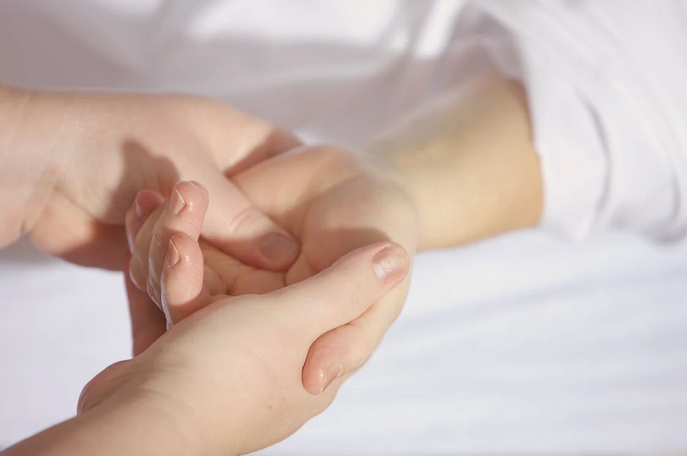
 Another incredible health benefit of massage therapy is its ability to relieve stress. Massage therapy can help you relax and unwind after a long day. It can also help to reduce anxiety and improve your mood. If you feel stressed, massage therapy can give you the relief you need.
 There are many incredible health benefits of massage therapy. Try massage therapy if you are looking for a natural method to boost your health. This treatment option can relieve pain, stress, anxiety, and other health problems. It can also help to improve circulation, immunity, and sleep. Massage therapy is a safe and effective way to improve your overall health.
 Most people are advised to exercise and be active regularly for a good reason. Working out is a necessity if you want to lose weight quickly. You have to get outside your comfort zone and be ready to put in some effort in the gym. There are various forms of workout that have been credited with helping many reduce body weight.
 Because of today’s lifestyle, many people tend to be suffering from stress. Stress is not only bad for your health but may lead to increased body weight. By having high-stress levels for long periods, your body releases a hormone known as cortisol.